Vietnam Links Rice Straw Composting to Potato Rotations in Regional Learning Push
CGIAR, IRRI and CIP show how composted rice straw supports potato rotations in Vietnam’s Red River Delta.
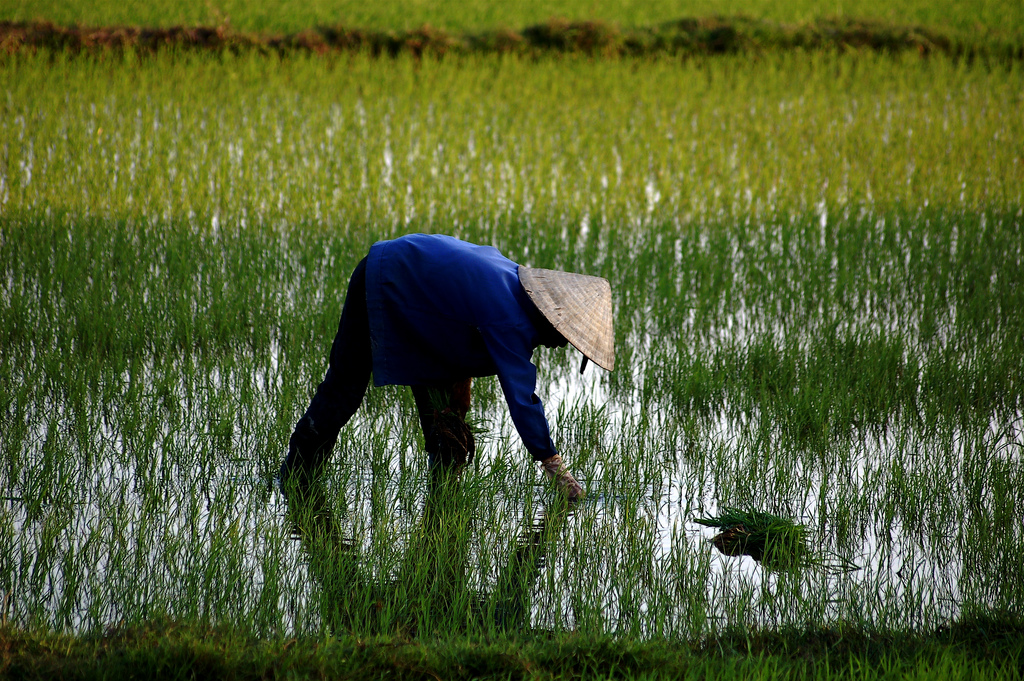
A CIP-organized field exchange at northern Vietnam’s Nam Cuong cooperative has highlighted how potato cropping fits into rice-based rotations — with mechanized straw composting, seed supply and cooperative economics as the decisive links.
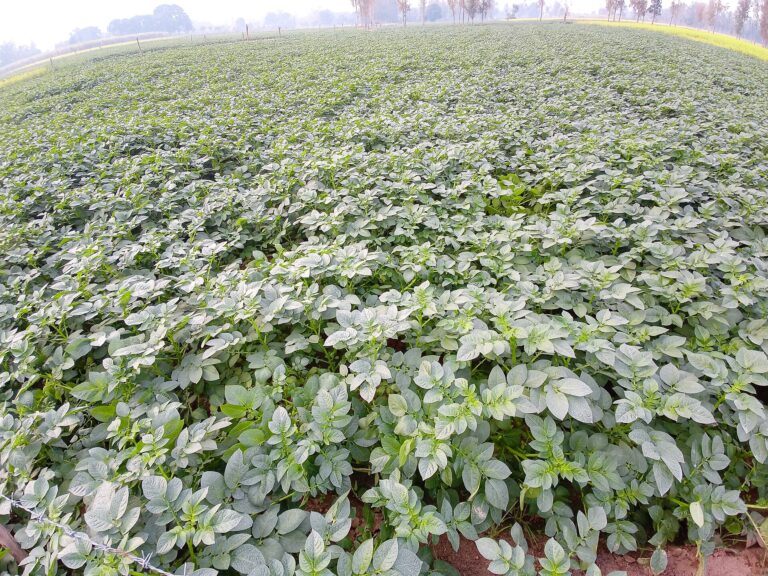
A field exchange in northern Vietnam has brought renewed attention to the role potatoes can play within diversified farming systems connecting crop production, nutrient management and local markets. Participants in a regional roots-and-tubers workshop visited the Nam Cuong Agricultural Production, Business and Service Cooperative in Ninh Binh on 1 October, in an event organized under the International Potato Center (CIP) and described in a CGIAR account published on 6 October.
The cooperative offers a practical setting at scale: according to a March 2026 account by IRRI and CIP researchers, Nam Cuong involves approximately 1,600 farming households managing around 300 hectares, including 130 hectares devoted to potatoes. The cropping cycle combines a four-month peanut crop, a three-month rice crop and a three-month potato crop, with an objective of supplying produce to feeding programmes across 20 local schools.
The cooperative setting matters for a second reason: scale. A 1,600-household operation spreads the cost of shared machinery — such as the compost turner — across enough members to make mechanization investable, and its three-crop cycle means that lessons from the potato window feed directly back into rice and peanut management. That cooperative economics is precisely what the regional learning platform is meant to study and replicate.
The central technical theme was rice straw. Converting the residue into a useful input is a timing problem as much as a composting problem: straw becomes available at harvest, but a potato crop planted into a narrow seasonal window needs the material ready when the land is ready. IRRI reported that a mechanized compost turner was handed over to Nam Cuong in August 2024 under the Fertilize Right project, with the demonstrated process reducing decomposition time from about 90 days to 45 days compared with traditional methods — a reported characteristic of the demonstration, not a guaranteed result for every operation.
The exchange also covered mechanized direct-seeded rice combined with fertilizer deep placement, reflecting the four principles of nutrient management — source, rate, timing and placement — that frame the USDA-funded Fertilize Right project. The potato lesson is that residue management and rice-season decisions determine what is possible in the potato window that follows.
Seed supply remains a separate constraint. Cooperative director Nguyen Van Du discussed seed-potato imports, variety selection and community-based cold storage with visitors — underlining that better residue management does not remove the need for suitable planting material. Vietnam’s breeding background includes HCIP210, announced by CIP in November 2023 through a public-private collaboration with HZPC under the TAP5 project. The October account does not establish which varieties Nam Cuong actually grows.
The wider workshop ran from 28 September to 2 October with activities in Da Lat and Hanoi, launching the Asia Regional Learning Platform on Roots and Tubers (initial phase August 2026–April 2027), which combines field learning, online exchanges and joint planning.
Sources: CGIAR / IRRI, 6 Oct 2026; CGIAR, 9 Mar 2026; IRRI, 28 Aug 2024; CIP, 15 Nov 2023; Viet Nam News, 2 Oct 2026